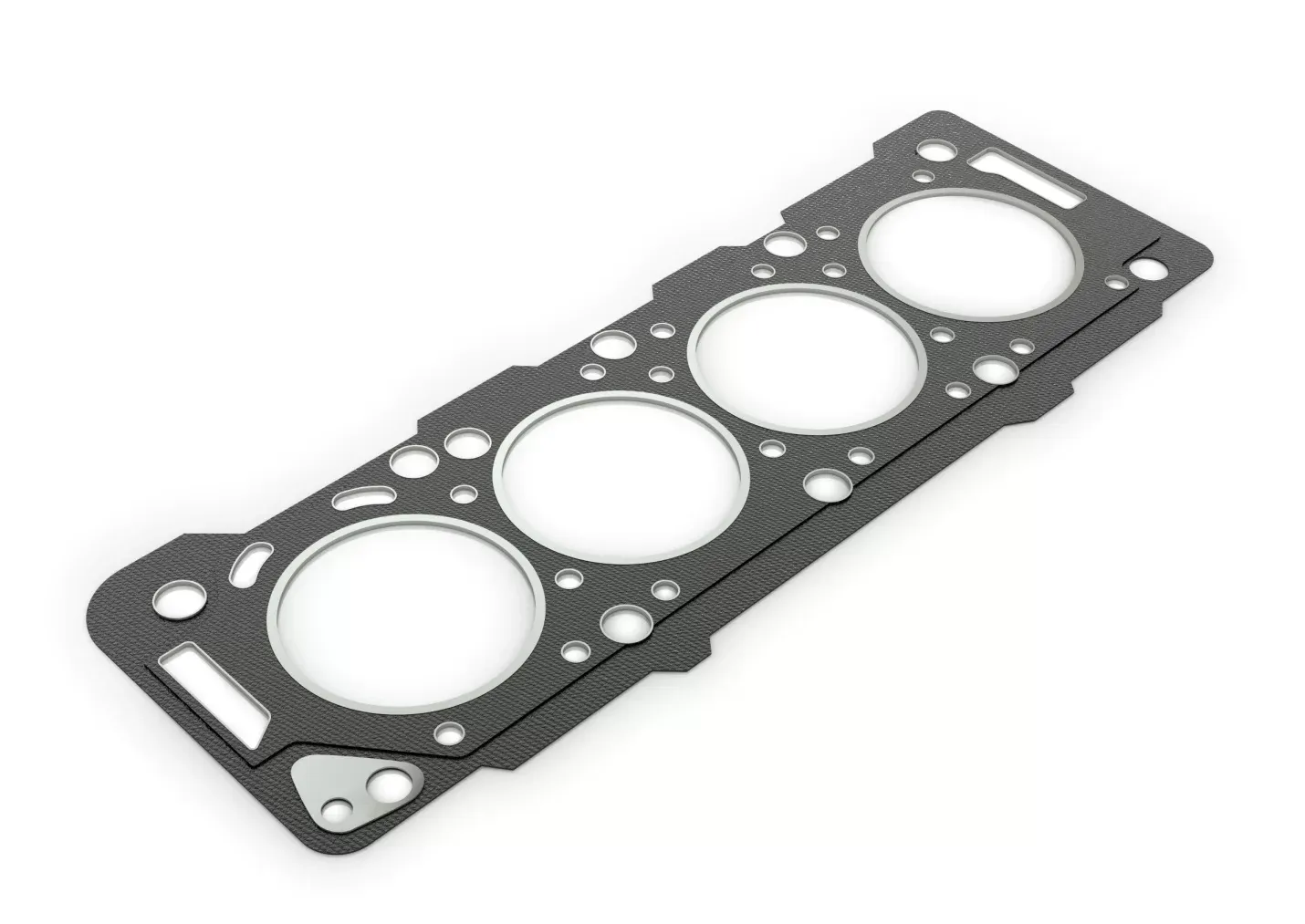
Cylinder Head Failure Symptoms: A Complete Guide to Diagnosing and Repairing the Engine Head
Cylinder Head Failure Symptoms: A Complete Guide to Diagnosing and Repairing the Engine Head
Through my many years of experience in automotive mechanics, I know very well that moment of anxiety when a driver sees the temperature gauge rising.
The cylinder head — often called “kilas” in North African countries — is one of the most sensitive components in your vehicle. Damage to it means the very heart of the engine is in serious danger.
In this article, I share the essence of my professional experience so you can understand every detail of this costly mechanical failure.
Cylinder Head Failure Symptoms: How to Identify a Serious Problem
In my daily work at the workshop, I’ve noticed that many drivers ignore simple warning signs coming from their cars.
These signs can be the difference between a relatively minor repair and a complete engine replacement.
The cylinder head is the upper part of the engine that seals the combustion chambers. Any defect leads to loss of compression and dangerous mixing of vital fluids.
What Are the Main Symptoms of a Failing Cylinder Head?
Symptoms may appear individually or together, depending on the exact location of the damage — whether in the head gasket or in the metal structure itself.
Thick White Smoke Coming from the Exhaust
This is the most well-known symptom. If you notice dense, persistent white smoke coming from the exhaust, this is a serious warning sign.
This is not normal smoke — it is coolant burning inside the combustion chambers. It is often accompanied by a slightly sweet smell typical of engine coolant.
In mountainous regions, this symptom becomes more noticeable during long uphill drives when the engine is under heavy load.
Frequent and Sudden Engine Overheating
Heat is the engine’s number one enemy. If the temperature gauge frequently exceeds 90–95°C without an obvious reason, cylinder head damage is likely.
Extremely hot combustion gases can escape into the cooling system, creating air pockets that prevent proper coolant circulation.
The most deceptive cases are those where the temperature suddenly spikes and then returns to normal — a classic sign of a warped or cracked cylinder head.
Mixing of Oil and Coolant (The “Mayonnaise” Effect)
Open the oil filler cap. Do you see a beige or light brown sludge that looks like mayonnaise?
This indicates oil and water mixing, usually caused by a blown head gasket.
This emulsion completely destroys the oil’s lubricating properties. Continuing to drive in this condition can quickly damage bearings and the crankshaft.
Air Bubbles in the Coolant Expansion Tank
This is a simple test I often perform in front of customers. With the engine cold, open the expansion tank cap and start the engine.
If bubbles appear as if the coolant is boiling, it means combustion pressure is leaking into the cooling system.
In many modern engines, this symptom strongly indicates early-stage cylinder head warping.
Why Does Cylinder Head Damage Occur? Hidden Causes Explained
An engine is not a solid block of metal — it constantly reacts to heat and pressure.
Using Plain Water Instead of Proper Coolant
This is the “silent killer” of cylinder heads in many regions. Ordinary water contains minerals that cause severe internal corrosion of aluminum components.
I’ve seen cylinder heads corroded all the way through to the combustion chambers.
Proper coolant contains anti-corrosion additives and raises the boiling point to around 120°C. Its cost is insignificant compared to replacing a cylinder head.
Thermal Stress from Demanding Driving Conditions
In hilly or mountainous areas, the engine works much harder.
Sudden transitions from extreme heat to rapid cooling — such as shutting off the engine immediately after a hard drive — cause rapid metal expansion and contraction.
This leads to micro-cracks or warping of the cylinder head. I always recommend letting the engine idle for a minute after heavy driving.
Worn Head Gasket or Improper Installation
Although head gaskets are designed to last over 160,000 km, they can fail earlier.
In many cases, the cause is poor mechanical workmanship — uneven bolt tightening or failure to follow the correct tightening sequence.
Over-tightening or under-tightening concentrates stress in one area, quickly damaging the gasket.
How Do Professional Workshops Diagnose Cylinder Head Failure?
Accurate diagnosis is based on precise tools, not guesswork.
CO₂ Gas Detection Test
A blue chemical fluid is placed over the radiator opening.
If the fluid turns yellow or green while the engine is running, this conclusively proves combustion gases are present in the coolant.
This test is extremely accurate and prevents unnecessary engine disassembly.
Cylinder Compression Test
Compression pressure is measured in each cylinder.
If two adjacent cylinders show low compression, this usually indicates a blown head gasket between them.
This test also provides insight into overall engine health.
Checking Cylinder Head Flatness
After removal, the cylinder head is placed on a workbench.
A precision straightedge and feeler gauge are used to check surface flatness.
If any gap exceeds 0.05 mm, the cylinder head is warped and requires resurfacing.
What Repair Options Are Available for Cylinder Head Damage?
Cylinder Head Resurfacing
If the damage is limited to slight warping, a very thin layer of metal is machined off to restore perfect flatness.
However, excessive resurfacing increases compression ratio and may cause chronic overheating.
A correctly sized head gasket is always selected to compensate for removed material.
Replacing Only the Head Gasket
In some rare cases, the cylinder head itself is intact and only the gasket is damaged.
Thorough cleaning and installation of a genuine gasket can provide a durable repair — provided torque values and tightening sequence are strictly followed.
Full Cylinder Head Replacement
If deep corrosion or internal cracks between valves are found, repair is no longer reliable.
A cracked cylinder head cannot be welded with long-term reliability.
In this case, replacing the part with a new or certified used unit is the only safe solution.
Frequently Asked Questions About Cylinder Head Failure Symptoms
Can I drive with a damaged cylinder head?
Absolutely not recommended. It can lead to hydrolock — water entering the cylinder and breaking the connecting rod within seconds.
What is the difference between a blown head gasket and a cracked cylinder head?
The head gasket is a consumable sealing component and is easier to replace.
The cylinder head is a large metal component; cracking or severe warping makes repairs far more complex and expensive.
Does white smoke always mean cylinder head failure?
Not always. On cold mornings, it may simply be condensation.
However, if white smoke persists when the engine is warm, is thick, and has a sweet smell, it almost certainly indicates coolant leaking through the cylinder head.
Why does coolant overflow from the expansion tank?
Combustion pressure enters the cooling system and forces coolant out through the weakest point — usually the expansion tank cap.
Does oil and water mixing always mean engine replacement?
Not necessarily. Early detection, proper repair, and thorough cleaning of the oil and cooling systems can allow the engine to return to normal operation.
Conclusion: Prevention Is Always Better Than Repair
Regularly checking coolant levels and using high-quality fluids is the key to protecting your engine.
At the first sign of trouble, consult a qualified technician immediately.
Have you ever experienced an engine overheating issue? Share your experience or ask about any symptom you’ve noticed — I’ll respond based on real-world mechanical experience.
Don’t forget to share this article to help others avoid sudden and costly cylinder head failures.