How to Detect Starter Failure Symptoms in Your Car
How to Detect Starter Failure Symptoms in Your Car
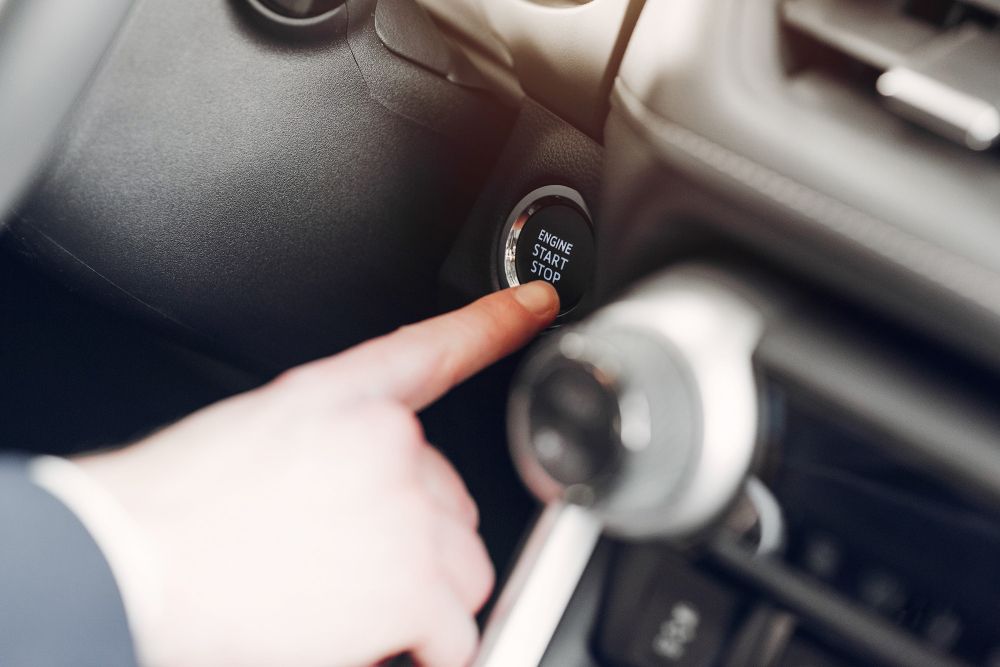
The moment you turn the key or press the start button is the real test of your car’s readiness. Silence or strange noises at that moment signal a failing starter. In this guide, I share my experience to help you diagnose starter issues accurately before calling a tow truck.
Understanding the starter and its mechanical operation
The starter converts battery electricity into mechanical power to turn the engine during the first seconds. It has three main parts:
- Solenoid: pushes the Bendix gear and closes the circuit.
- Electric motor: generates rotation.
- Bendix gear: engages with the flywheel.
Role of the solenoid
The solenoid acts as a gatekeeper. It pushes the Bendix onto the flywheel and allows high current to flow to the motor. Any failure here stops the system entirely.
Bendix gear mechanics
The Bendix moves forward to engage then retracts. Worn teeth or debris can cause loud metallic noises.
Common starter failure symptoms
Single or double clicking
Single click → solenoid tries but cannot send power to the motor. Rapid clicking → weak battery.
Grinding metal noise
Occurs when Bendix does not engage properly. Could be worn teeth or loose mounts. Continuing to try can damage the flywheel.
Starter spins but engine doesn’t
Electric motor spins but Bendix does not engage → spinning in vain. Causes: worn Bendix or broken fork.
Slow cranking
Engine turns slowly (Slow Cranking), often due to internal wear of the starter.
Brush and bearing wear
Carbon brushes transmit electricity to the rotor. Worn brushes and bearings increase friction, slow starter rotation.
Distinguishing starter, battery, and alternator issues
- Check lights: bright → battery OK.
- Horn test: loud horn → battery has enough charge.
- Voltage drop test (multimeter): <9.5 V → weak battery; >11 V and engine does not turn → internal starter problem.
Oil leaks’ impact
Oil damages brushes, causes short circuits, insulates wires → overheating and smoke.
Heat Soak
After a long drive, a hot starter near exhaust pipes may fail until cooled.
Symptoms in Start-Stop cars
- Delayed response and warnings: engine lag or Check Engine light.
- AGM battery: unable to support repeated start cycles → Start-Stop may fail.
Practical steps to diagnose and repair
- Check battery connections: clean and tight.
- Tap test: lightly tap starter while another person turns the key.
- Check fuses and relay: starter fuse intact and relay working.
- Inspect ground cable: battery-to-engine connection solid.
Tips to extend starter life
- Don’t crank for more than 5 seconds.
- Wait 1 minute between attempts.
- Keep engine free of oil leaks.
- Check battery regularly.
FAQ
- Can you start with a broken starter? Only manual push-start (manual transmission).
- Does clicking always mean failure? No, could be weak battery.
- Average lifespan? >150,000 km, shortened by heat or leaks.
- Repair or replace? Brushes/bearings → repair; burned windings or worn gears → replace.
- Why do lights dim while cranking? Starter draws too much current or battery weak.
Conclusion
Understanding starter symptoms protects your engine and wallet. Listen carefully and watch electrical behavior. Don’t ignore slow cranking or unusual noises—they often precede total failure.
Share this article and your experiences in the comments, and follow our blog for more car maintenance tips.