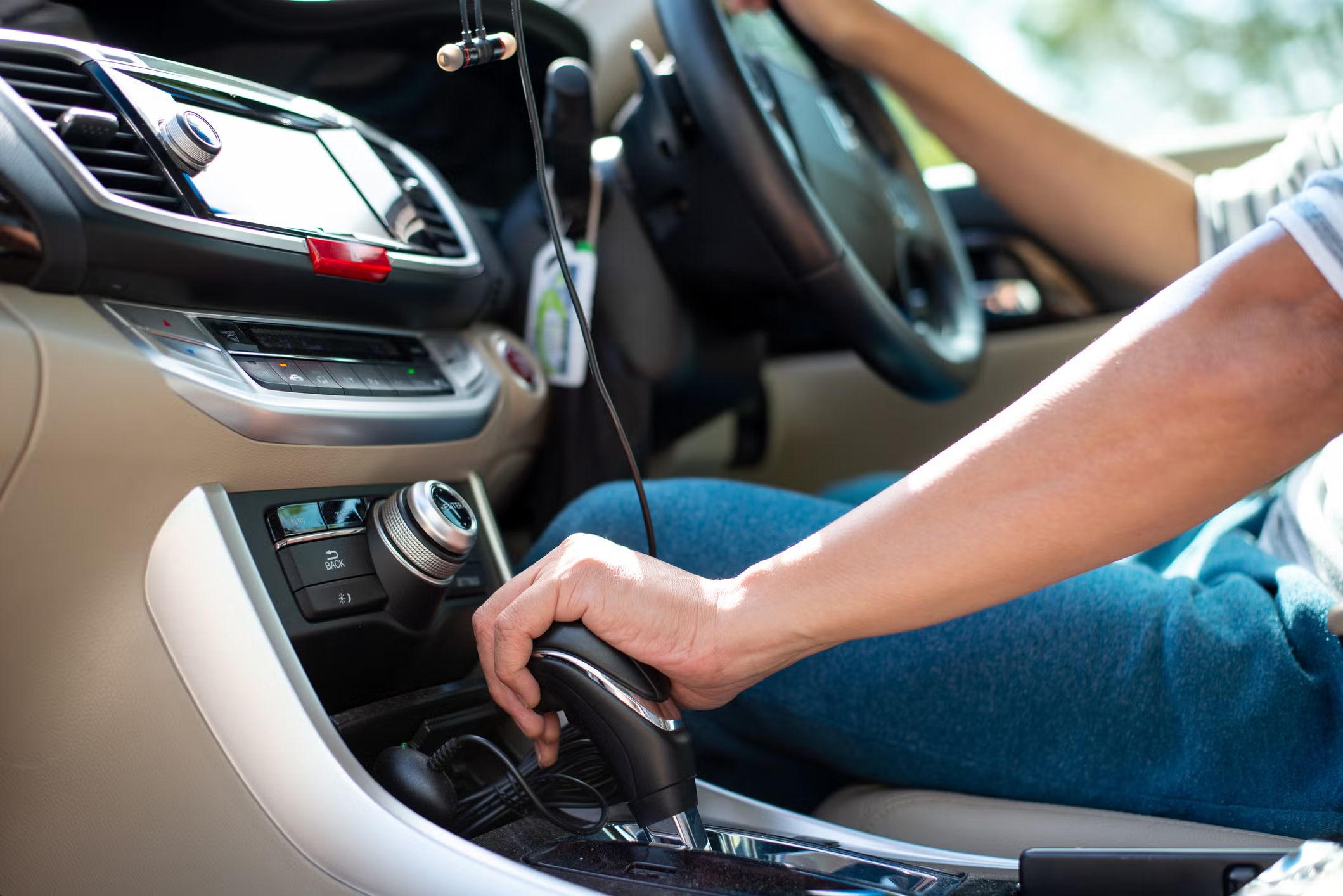
How to Drive an Automatic Car: Step-by-Step Guide
Introduction
Driving an automatic car is becoming increasingly popular. The comfort is real, and the simplicity is obvious.
I have been driving automatic cars for years, trained beginners, and helped drivers transition from manual cars. In this guide, I explain how to drive an automatic car correctly — step by step, with no vague theory.
1. Getting Started
1.1 Understanding an Automatic Car
- No clutch pedal: only two pedals — accelerator (right) and brake (left).
- The transmission changes gears automatically depending on speed and acceleration.
- Mental adjustment: your left foot may instinctively reach for the clutch at first. That’s normal.
1.2 Gear Lever Positions
Main positions:
- P: Parking
- R: Reverse
- N: Neutral
- D: Drive
Some cars also have:
- S: Sport
- L / B: Engine braking
Tip: memorize these letters before even starting the car.
2. Starting and Stopping an Automatic Car
2.1 How to Start
- Gear lever on P
- Right foot on the brake
- Press the Start button or turn the key
- Shift to D while keeping your foot on the brake
- Release the brake gently — the car moves on its own
2.2 How to Stop
- Brake completely
- Keep your foot on the brake
- Shift the lever to P
- Turn off the engine
Common mistake: shifting to P before a full stop. Avoid it.
3. City Driving
3.1 Acceleration
- Press the accelerator gently
- Anticipate traffic lights and obstacles
- Accelerate gradually to reduce fuel consumption
3.2 Braking
- Lift your foot early
- Brake gradually
- Avoid sudden stops
- Use engine braking if available (B or L mode)
4. Driving on Roads and Highways
4.1 Overtaking
- Press the accelerator more firmly
- The transmission automatically downshifts (kick-down)
- Use only when necessary
4.2 Maintaining a Steady Speed
- Accelerate gradually and stabilize your speed
- The transmission selects the optimal gear
- Using cruise control makes driving smoother and less tiring
5. Driving on Hills and Parking
5.1 Starting on a Hill
- Most cars have hill-start assist
- Otherwise: foot on brake, shift to D, release gradually
- Never accelerate abruptly
5.2 Parking Correctly
- Full stop
- Foot on brake
- Shift to P
- Engage handbrake
- On steep slopes: handbrake first, then P
6. Common Mistakes to Avoid
- Shifting from D to R without stopping
- Using the left foot for braking
- Driving long distances on N
- Forcing the gear lever
These mistakes damage the transmission and can be expensive.
7. Good Habits
- Regular maintenance
- Transmission fluid change according to the manufacturer
- Smooth driving, no jerks
- A well-used automatic transmission lasts a long time
8. FAQ
8.1 How to drive an automatic car if you’re used to manual?
Forget the clutch, left foot stays at rest. Driving becomes simpler after a few days.
8.2 How to pass a driving test?
Show smooth driving, master the brake, and anticipate obstacles.
8.3 Can you drive without experience?
Yes, it’s even easier for beginners.
8.4 How to drive downhill?
Use B or L mode if available, otherwise brake gradually. Do not shift to N.
8.5 How to save fuel?
Accelerate gently, anticipate traffic, avoid Sport mode, and maintain the car well.
Conclusion
Driving an automatic car changes the driving experience. The comfort is real, and the simplicity too.
With good habits, driving becomes smooth, less stressful, and safer. Share your experience in the comments and keep learning to improve.